

For too long, efforts to get people active followed a familiar pattern – launch a campaign, start a programme, open a facility and hope people turn up.
When engagement was low, especially in communities facing deprivation, ill health or isolation, the blame often fell on individuals.
But the real issue runs deeper.
Today’s Active Lives Adult Survey data shows overall activity levels are improving, yet inequalities remain – and in some cases are widening – highlighting the limits of this approach.
Through our place-based work, we are flipping that script.
Our approach isn’t about parachuting in with short-term initiatives. It’s about changing local systems and putting power, funding and decision-making into the hands of communities themselves.
It’s about reshaping the conditions that make movement possible.
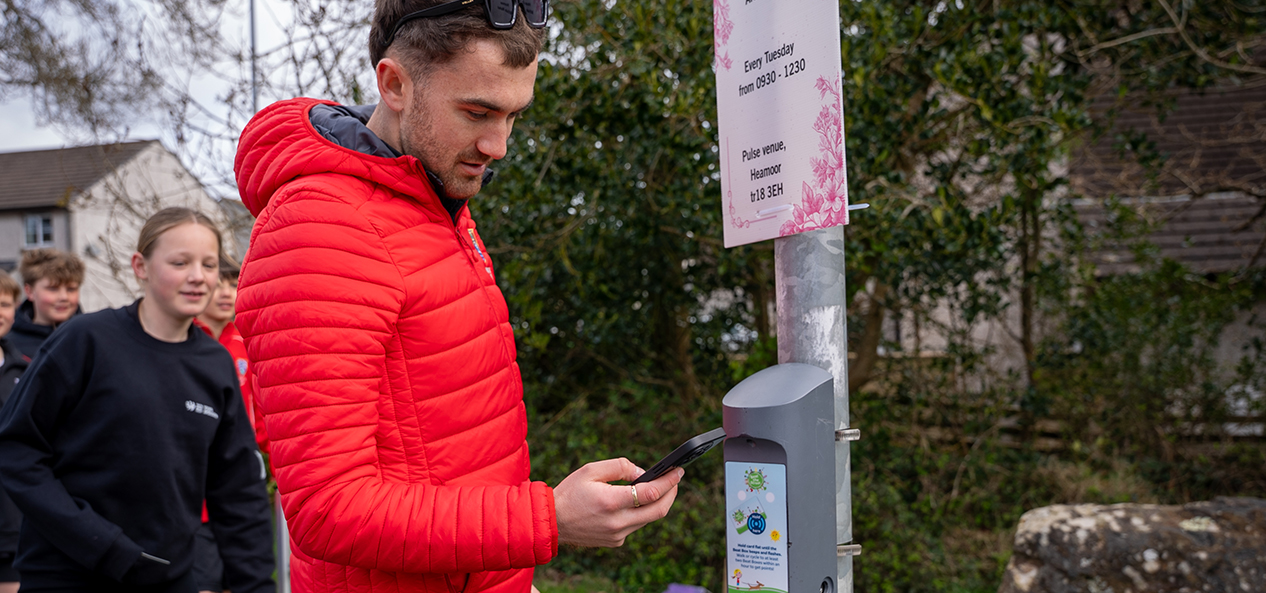
This is a structural shift – from national delivery to locally-led systems; from fragmented interventions to collaboration; and from doing things to communities to working with them.
Crucially, this way of working is starting to show signs of impact, particularly for adults who have historically been least active.
From programmes to places
At its core, place-based working recognises a simple truth: where you live shapes how active you are.
Access to safe green space, transport, income, health, and social networks all matter. So instead of generic national solutions, we are investing up to £250 million into over 90 communities with the greatest need.
But funding is only part of it. The real change is in how decisions are made.